

- Published:
- Wednesday 25 March 2026 at 5:40 pm
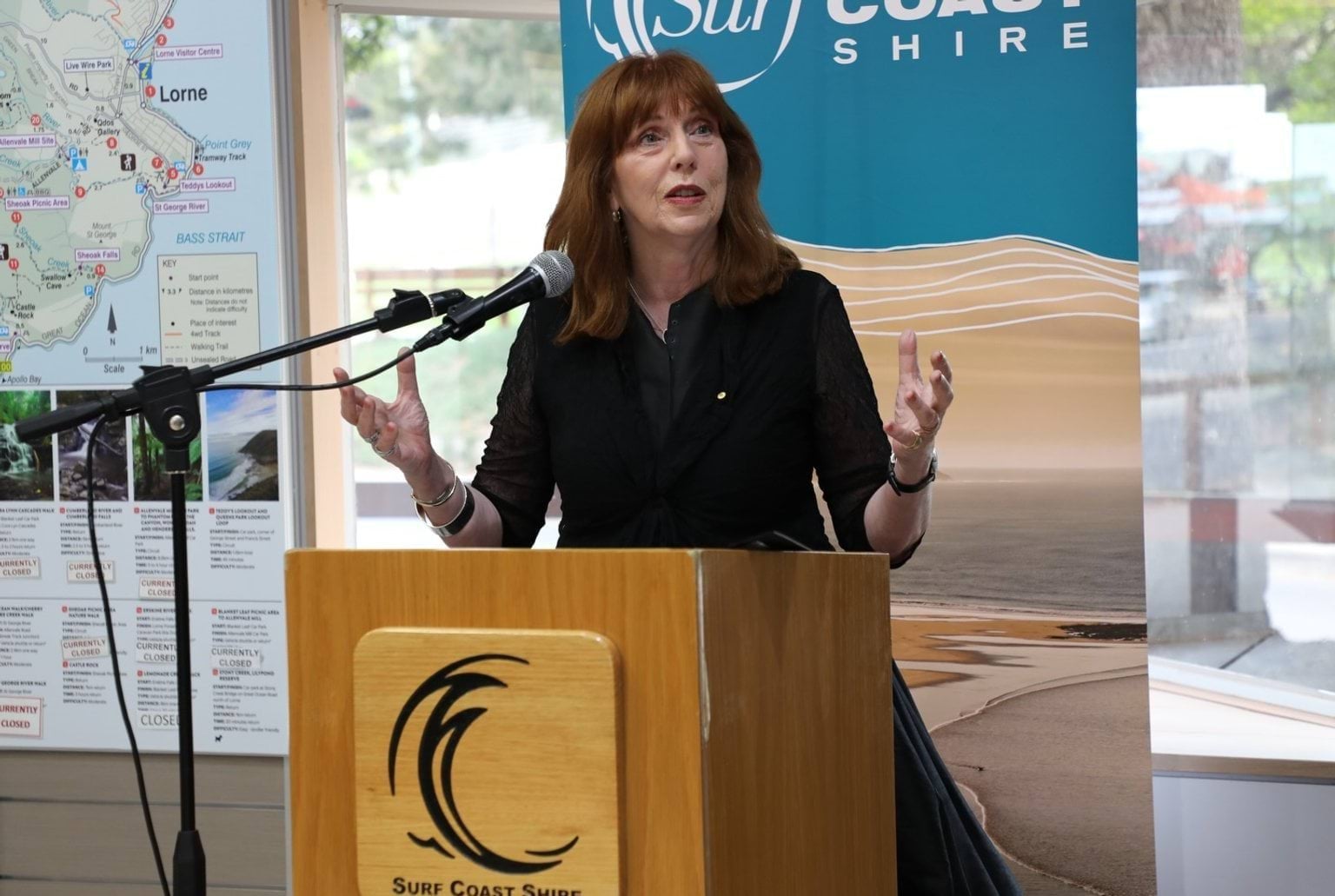
I begin by acknowledging the Traditional Owners of the lands on which this building stands – the Eastern Maar people – and pay my respects to their Elders, past and present.
Thank you, Ebony, for your warm welcome.
I will say – and you must hear this a lot – this is a particularly beautiful part of our State.
I know that in places like this, there is often some contestation as to how many years – or decades – one must live here to be truly considered a ‘local.’
So, if we instead speak in terms of what is considered the ‘permanent population’ of this Shire, we are talking about more than 40,000 people.
Yet that figure trebles during peak holiday times – and it’s clear to see why.
I will admit I am part of that influx – and also a ratepayer here!
As Australians – even for those who us who do not normally live near it – the bush feeds our souls, and the coast is deeply ingrained in our collective identity.
The beauty found in places like this is, of course, deeply familiar to the First Peoples who have inhabited and cared for these lands for millennia.
And it has inspired generations of painters, writers and musicians who have been drawn to its charm.
But as the poet Dorothy Mackellar tells us, the beauty of our sunburnt country is matched by its capacity for terror.
In recent times, we have seen the ‘droughts and flooding rains’ that she speaks of, accompanied by the intense devastation caused by bushfires across our State.
Since Mackellar penned that poem over a century ago, these natural disasters – which have always plagued our ‘wide brown land’ – have become increasingly persistent and dangerous.
Those living closest to the bush are facing such threats on an ever more frequent basis.
That puts a growing strain on the communities asked to meet the demands of preparing for, responding to, and recovering from such emergencies.
Perhaps owing to many decades of experience in doing so, the instinct to band together during times of difficulty is second nature for regional Victorians.
As I have travelled across the State this year – in places like Harcourt, Avenel, Yarck and Fawcett, and now here in the Surf Coast – this community spirit has been palpable.
And the level of generosity and volunteerism offered to those affected – often by people impacted themselves – has been truly remarkable to witness.
To paraphrase another poet: the ability to show kindness in another’s trouble and courage in your own.
We can rightfully praise this community-led response, but it is important to remember that resilience is not an infinite resource.
As a State, we must remain committed to supporting our communities through the arduous process of recovery.
It has been pleasing to see the level of coordination between Councils and with emergency services in response to these disasters.
In the case of the bushfires, though the devastation has been substantial, the loss of life and damage to core infrastructure is significantly less than comparable emergencies in years past.
I am sure more lessons will emerge from these recent disasters, which will inform the approach to recovery and preparations for the future.
In doing so, we strive to create stronger and safer communities for those that live here – and places that can continue to welcome all those who visit to share in its splendour.
The Australian bush will no doubt continue to throw challenges at those who live in it.
Yet thanks to the efforts and fortitude of people like yourselves, I am equally sure Victorians will continue to meet them.
To quote the most famous bush poet of them all, Banjo Patterson:
…the bush has moods and changes, as the seasons rise and fall,
And the [people] who know the bush-land — they are loyal through it all.
Thank you.
Updated